
"Why Can’t I Just Relax?" How Our Nervous System Can Make Rest Feel Unsafe
TGIF!!! Work is done, the laundry just finished, and you finally have a time to unwind. You curl up on the couch, turn on a show, or light a candle…you’re ready to relax!
Except...your body can’t.
Instead of feeling peaceful, your heart rate picks up. Unease settles in your stomach. Your brain starts rhyming off a checklist of everything you should be doing. Within 15 minutes, you're back on your feet, wiping down the kitchen counters.
Then comes the frustration: “Why can't I just relax like a normal person?”
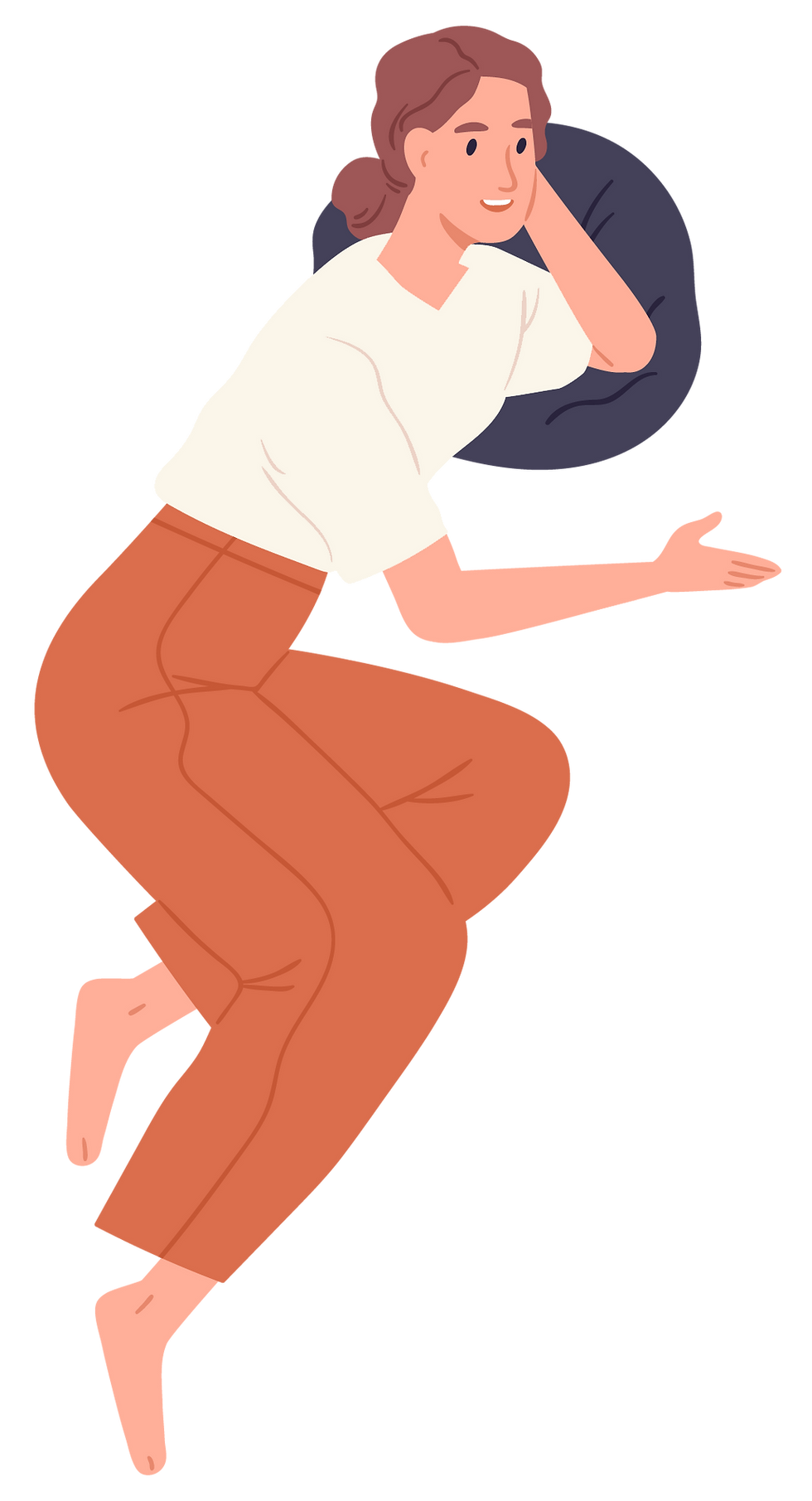
Your inability to relax isn't a sign of brokenness! It’s a sign that your nervous system has learned that stillness is unsafe.
Why Rest Feels Like a Threat
To understand why relaxation feels so uncomfortable, we first have to look at how your nervous system keeps you safe.
If you have lived through chronic stress, burnout, high expectations, or past trauma, your body likely adapted by staying in a state of hypervigilance: a perpetual “fight-or-flight” readiness. In this state, your brain believes that constant productivity, hyper-awareness, and control are what keep you protected.
When you suddenly slow down, two things happen:
The Alarm Goes Off: Your body is pumped full of stress hormones (cortisol and adrenaline) meant for action. Dropping into physical stillness while your internal engine is revving creates an uncomfortable clash that feels like panic or agitation.
The Influx of Unprocessed Feelings: When you are constantly busy, your attention is consumed. The moment you quiet down, all the suppressed emotions, fatigue, and unmet needs rise to the surface. Your system perceives that surge as overwhelming, so it pushes you to get up and move again.
For a high-alert system, busyness feels predictable and protective, while rest feels vulnerable. When past reactions to your vulnerability have been dismissive, of course vulnerability feels unsafe!
The Trap of “Fake Rest”
Because true relaxation feels activating, many of us fall into the trap of pseudo-rest.
Pseudo-rest is when you give the appearance of resting while your nervous system remains engaged. Scrolling social media to numb the self-critical hamster wheel of thoughts; keeping the TV on as background noise to drown out your thoughts; or “relaxing” while mentally planning tomorrow's to-do list.
While pseudo-rest offers a short-term distraction, it doesn't give your body the actual decompression it NEEDS.
4 Micro-Steps to Build Safety in Stillness
If rest feels dangerous to your system, jumping straight into an hour of meditation will only trigger panic. (And will feel impossible!) Instead, we need to offer your body tiny, manageable doses of safety.
1. Shift from “Sitting Still” to “Somatic Settling”
Movement doesn't automatically mean activation. You can give your body an outlet for excess adrenaline while still slowing down.
Try this: Instead of lying motionless on the couch, engage in low-arousal, rhythmic movement. Slow stretching or gentle rocking can give your system a safe outlet for restless energy. I recommend doing a mundane task 10x slower than normal to slow your mind and body down. It brings your awareness to the present moment through intentional movement!
Read my Substack on buying a flip phone to help my nervous system HERE!
2. Practice “Orienting” to Your Internal Safety
When inner restlessness kicks in, your brain is reacting to the perceived threat of stillness. Help your nervous system anchor in the physical environment.
Try this: Notice where the couch or chair supports your body. Is it cool? Soft? Hard? Rough? Notice where your feet touch the ground. Let your legs fall into puddles, knowing you are supported. Remind yourself, “it’s okay to relax my legs right now.”
3. Practice “Orienting” to Your External Safety
Try this: Name cues of safety. This blanket is safe. That sunlight coming through the curtains is safe. The silence is safe. I am safe.
4. Offer a Reframe to the “Do-More Part”
Acknowledge the part of you that feels anxious when you stop working. That part genuinely believes bad things will happen if you drop the ball, and it needs reassurance and compassion.
Try this: Place a hand over your chest or belly and say: “I see how hard you’re trying to keep us safe. Right now, taking a 10-minute break is part of how we keep ourselves safe."
Soften the Expectation
Rest is not a switch you simply flip; it is a skill that your nervous system learns over time as it builds trust that letting down your guard is safe.
Be patient with yourself if stillness feels awkward or uncomfortable at first. You are unlearning years of survival-based conditioning!
Does rest feel restorative to you, or does it trigger an itch to get up and be productive? Share your experience in the comments below!
Looking for deeper support?
If you're tired of living in survival mode, somatic therapy and nervous system regulation can help you feel safe in your body again. Explore Virtual Individual Therapy Services or join my upcoming DBT skill groups!


Comments